Property Hub

Modern Property Trends

Real estate
Uncategorized

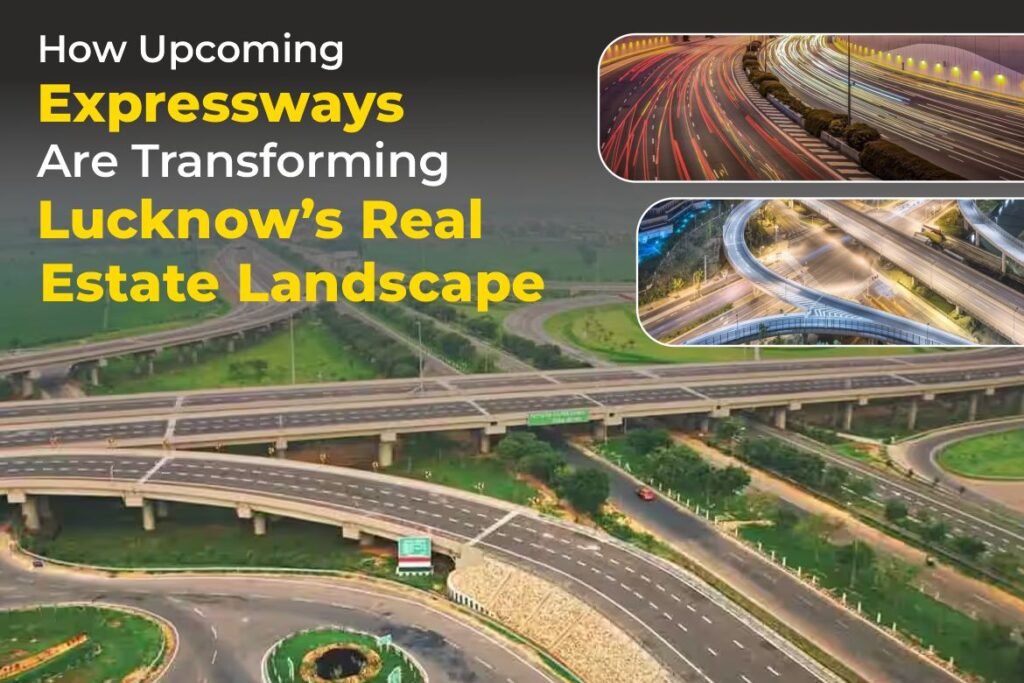
How Upcoming Expressways Are Transforming Lucknow’s Real Estate Landscape

Lucknow, the heart of Uttar Pradesh, has been undergoing a rapid transformation in recent years. One major factor driving this change is the development of new expressways. These expanding road networks are not only improving connectivity but also reshaping the city’s real estate landscape. With better accessibility, upgraded infrastructure, and growing investment opportunities, Lucknow’s real estate market is experiencing unprecedented growth. Therefore, if you’re planning to invest in property, now is the perfect time to explore how these expressways are making a difference. Enhanced Connectivity: A Game Changer for Real Estate The construction of new expressways in and around Lucknow is making commuting faster and more convenient. As a result, more people are choosing suburban areas, which offer affordability compared to city-center locations. This shift in residential preferences is fueling demand for housing projects along these new corridors. Moreover, improved road connectivity is encouraging businesses to expand beyond traditional commercial hubs. Consequently, commercial real estate near expressways is flourishing. Developers recognize this potential and are actively launching projects that cater to both residential and commercial buyers. Key Upcoming Expressways Driving Growth 1. Lucknow-Kanpur Expressway: Bridging Two Economic Powerhouses One of Uttar Pradesh’s most anticipated expressways, the Lucknow-Kanpur Expressway, will revolutionize travel between these two major cities. Currently, the commute takes around two hours. However, once the expressway is complete, it will significantly reduce travel time, making daily commutes and business operations much easier. Impact on Real Estate 2. Purvanchal Expressway: Expanding Lucknow’s Real Estate Horizons The Purvanchal Expressway is another game-changing infrastructure project. Stretching from Lucknow to Ghazipur, it is not just enhancing connectivity but also unlocking new real estate opportunities. Why This Expressway Matters 3. Agra-Lucknow Expressway: A Catalyst for Luxury Real Estate Although the Agra-Lucknow Expressway is already operational, its long-term influence on real estate continues to grow. Indeed, this route has significantly improved connectivity to Delhi-NCR, making Lucknow an appealing destination for businesses and homebuyers. Real Estate Trends Along This Corridor 4. Ganga Expressway: Unlocking Future Growth The Ganga Expressway, which connects Meerut to Prayagraj via Lucknow, is another ambitious project poised to reshape the city’s real estate market. This expressway will promote trade, tourism, and industrial growth, leading to a surge in real estate investments. Key Benefits for Investors The Ripple Effect: How Expressways Influence Property Prices With expressways improving connectivity, property prices near these highways are steadily rising. Because of this, investors and homebuyers are drawn to these locations due to their affordability, future growth potential, and upgraded infrastructure. As a result, developers are introducing new projects, giving buyers a wide range of options, including affordable housing, luxury villas, and high-rise apartments. Furthermore, rental demand in these areas is increasing. Many professionals and students prefer living in well-connected locations, making properties near expressways attractive for rental income. Emerging Hotspots Near Expressways 1. Sultanpur National Highway With improving road connectivity, the Sultanpur National Highway is attracting new real estate projects. For instance, developers are launching townships, residential complexes, and commercial hubs, making it a prime investment destination. 2. Sushant Golf City Located near Amar Shaheed Path and well-connected to expressways, Sushant Golf City is emerging as a luxury real estate destination. Not only does the area feature high-end apartments, but it also offers golf-course-facing villas and premium commercial spaces, attracting high-net-worth investors. 3. Raebareli Road Due to expressways improving access to surrounding regions, Raebareli Road is becoming a hub for affordable housing projects. Several new residential developments are underway, offering great options for first-time homebuyers. 4. Amar Shaheed Path Often called Lucknow’s “New Business Hub,” Amar Shaheed Path is benefiting immensely from expressway connectivity. As a consequence, the area is witnessing rapid growth in IT parks, shopping malls, and luxury residences, making it one of the most sought-after locations in the city. Final Thoughts: Is Now the Right Time to Invest? Without a doubt, the upcoming expressways in Lucknow are creating golden investment opportunities. As connectivity improves, property values will continue to rise, making this the perfect time to invest. Whether you’re looking for long-term returns, rental income, or a dream home, expressway-connected locations offer excellent potential. In addition, with the government actively pushing for infrastructure development, these projects are expected to reach completion within the next few years. This, in turn, will further accelerate real estate demand, benefiting investors who act early. To sum up, Lucknow’s expressway-driven transformation is setting the stage for a thriving real estate market. So, if you’re looking for the right investment opportunity, now is the time to take action! For more insights into the evolving real estate trends in Lucknow, stay tuned to Value of Realty. We bring you the latest updates and expert opinions to help you make informed investment decisions.
Lucknow’s Rich Heritage
Uncategorized

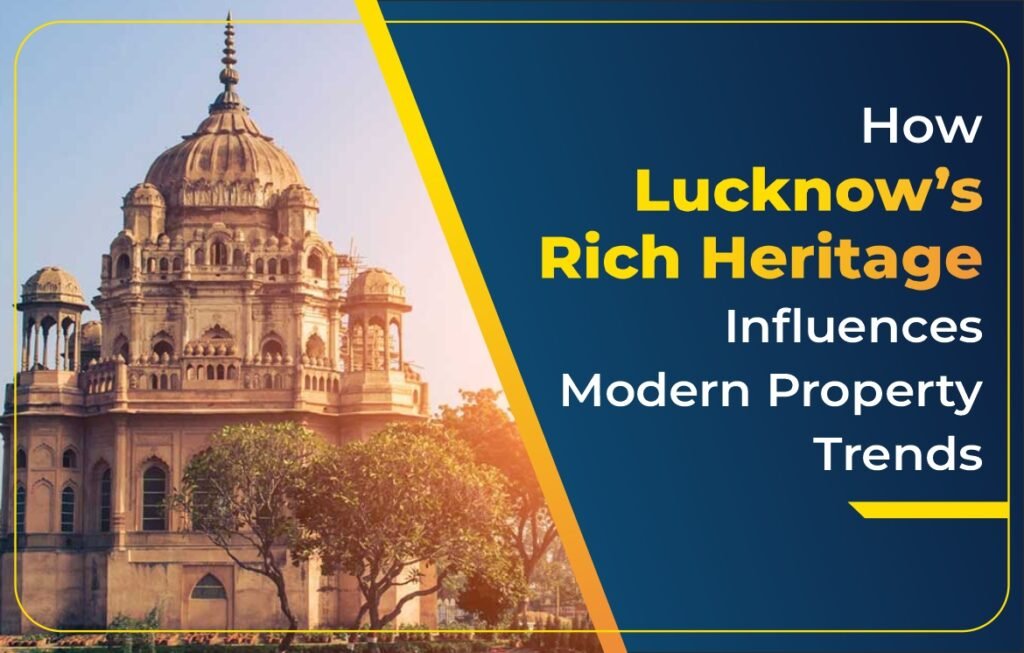
How Lucknow’s Rich Heritage Influences Modern Property Trends

Lucknow, a city that beautifully blends its rich cultural heritage with modern advancements, is witnessing an evolving property market that draws inspiration from both its royal past and contemporary needs. Known for its historical monuments, vibrant cuisine, art forms, and warm hospitality, Lucknow’s charm doesn’t just lie in its culture but also in how it influences the real estate trends shaping the city today. As Lucknow’s economy grows and its skyline undergoes a dramatic transformation, property trends reflect this marriage between the traditional and the modern. This blog explores how Lucknow’s heritage shapes the real estate market and the shifts in property demand across residential, commercial, and mixed-use spaces. A Glimpse Into Lucknow’s Heritage Before we discuss the influence of Lucknow’s heritage on modern property trends, let’s appreciate the city’s rich cultural legacy. Lucknow once served as the capital of the Awadh region. Ruled by the Nawabs, who were known for their opulence, fine arts, and architectural marvels. The Nawabi era left an indelible mark on the city’s landscape. With landmarks like the Bara Imambara, Chota Imambara, Rumi Darwaza, and the grand Lucknow Residency. The Nawabs’ love for grandiose architecture, delicate craftsmanship, and artistic finesse shaped the aesthetics of the city, from intricately designed courtyards to stately mansions and elegant mosques. These influences remain ingrained in the fabric of the city, particularly evident in the architecture and design preferences of modern-day property owners and developers. How Heritage Shapes Modern Property Trends 1. Blending Traditional and Contemporary Architecture One of the most prominent trends in Lucknow’s property market is the fusion of traditional Nawabi architecture with contemporary designs. Homebuyers and developers increasingly favor this blend, creating a unique architectural style that combines Lucknow’s rich ornamentation with modern-day amenities. For example, many luxury homes and apartments now feature elements like high arches, intricate jaali work, and traditional chhatris (domed pavilions), which were once common in Nawabi palaces. These elements pair with modern materials, large glass windows, and sleek, minimalist interiors, resulting in a harmonious blend of old-world charm and contemporary elegance. This combination is particularly noticeable in upscale residential projects located in and around areas like Hazratganj, Gomti Nagar, and Alambagh. 2. Heritage Conservation and Adaptive Reuse of Property The growing emphasis on conserving and repurposing historical buildings shows how Lucknow’s property trends value its heritage. Many old colonial-era bungalows, palaces, and mansions now serve modern purposes while preserving their original architectural features. In recent years, developers have embraced adaptive reuse in the real estate sector. Converting historical buildings into boutique hotels, cafes, office spaces, or luxury residences. For instance, some historical haveli properties in the city have transformed into luxury hotels or private estates. This trend preserves the city’s cultural identity while creating unique spaces in the modern real estate market. 3. Revival of Courtyard Homes and Open Spaces The open courtyards and airy interiors of traditional Lucknow homes are making a comeback in modern residential designs. The Nawabs’ mansions were built with large open spaces that allowed for natural ventilation and communal gathering. Design features that modern homeowners are increasingly seeking. Contemporary homebuyers, especially those searching for luxury homes. Gravitate toward properties with larger plots and open courtyards, reminiscent of Nawabi style. This trend reflects a desire for privacy, ample outdoor space, and a connection to nature—all features deeply ingrained in Lucknow’s heritage. These homes offer a retreat from urban chaos, providing peace, tranquility, and a taste of royal living. 4. Gated Communities with Traditional Design Elements of Property As demand for gated communities in Lucknow rises, developers are incorporating traditional design elements to add cultural value to these modern residential projects. Many high-end residential complexes feature entrance gates inspired by Rumi Darwaza, ornate arches, and intricate wall carvings that echo the regal charm of Lucknow’s Nawabi architecture. These modern-day properties often surround lush green spaces, offering a balance between city life and the serenity of nature. This design element reflects Lucknow’s heritage, where royal gardens and sprawling grounds played an integral role in the Nawabi palaces. 5. Influence of Traditional Markets on Commercial Real Estate Lucknow’s historic markets, such as Hazratganj, Chowk, and Aminabad, have always been the heart of its commercial life. The design and layout of these markets, with narrow alleys and colorful bazaars. Continue to influence the design of modern commercial spaces. Developers and retailers have blended the vibrant, bustling atmosphere of traditional markets with modern retail and commercial spaces. In recent years, mixed-use developments have gained popularity, combining retail, office spaces, and leisure spots in a single complex. These developments echo the old traditional bazaars, where shopping, dining, and socializing all took place in one lively environment. The goal is to preserve the charm and history of the old markets while offering modern infrastructure and facilities. 6. Cultural Amenities and Community Spaces Modern properties in Lucknow increasingly incorporate cultural amenities, drawing inspiration from the city’s historic legacy. Luxury apartments, especially in premium locations, feature community spaces that cater to the cultural, artistic, and social needs of residents. These spaces include art galleries, performance halls, and multi-purpose rooms where residents can enjoy musical performances, theatre, or dance performances—reminiscent of the cultural gatherings in the Nawabi courts. Additionally, many properties integrate Lucknow’s renowned craftsmanship, such as chikankari embroidery and Zardozi work, into interior designs, giving modern homes a cultural touch. The Future of Lucknow’s Property Market As Lucknow continues to evolve, its property market will remain influenced by its rich heritage while meeting the needs of a modern, cosmopolitan society. With the ongoing development of new residential and commercial spaces, developers must find the right balance between maintaining the city’s historical charm and embracing the demands of urbanization. The future of Lucknow’s property market depends on developers, architects, and urban planners who can harness the city’s heritage and create spaces that respect the past while catering to future needs. As Lucknow grows as a key player in India’s real estate sector, this delicate balance between heritage and modernity will help shape the city’s skyline. Conclusion Lucknow’s

Scroll to Top